
We change lives
and systems
Two thirds of new World Health Organization guidelines in the past 5 years cite at least 1 Cochrane review. Read about our impact.
Our evidence
is trusted
Scientists, policymakers and decision-makers turn to us for evidence they can rely on. Learn why our evidence is trusted.
We collaborate
globally
We produce outstanding evidence by collaborating with a wide range of experts and members of the public. Get involved.
News

Early birth safer for mother and baby in high blood pressure pregnancies
21 May 2026
Planned early birth for pregnant women with high blood pressure cuts maternal complications by nearly half and reduces the risk of stillbirth, without increasing the likelihood of caesarean section, according to a new Cochrane review.
Screening modestly reduces prostate cancer deaths
11 May 2026
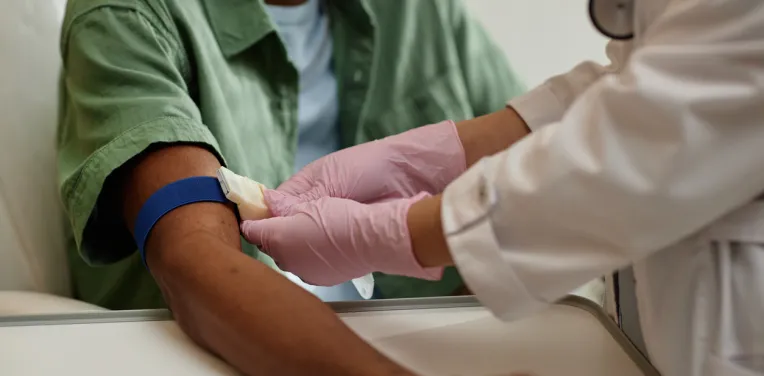
Blood tests to detect potential signs of prostate cancer likely reduce the risk of dying from prostate cancer, an updated Cochrane review finds. This is a shift from the previous version of the review.

What makes Cochrane’s new AI study innovative?
17 April 2026
Cochrane has released a pre-print of the protocol for our innovative study that will test whether artificial intelligence (AI) tools can support or enhance evidence synthesis. Gerald Gartlehner from Cochrane Austria, Principal Investigator for the study, discusses how the study works, and what makes it interesting.

Anti-amyloid Alzheimer’s drugs show no clinically meaningful effect
16 April 2026
Drugs that target amyloid beta proteins in the brain likely have no clinically meaningful positive effects, while increasing the risk of bleeding and swelling in the brain, a new Cochrane review has found.
Latest evidence
- What are the effects of combining immunotherapy (PD-1 or PD-L1 inhibitors) with chemotherapy compared with chemotherapy alone for treating early triple-negative breast cancer? |
- What are the benefits and risks of planned early birth for women who have high blood pressure during pregnancy after 34 weeks? |
- When should platelets (a type of blood cell that helps form blood clots) be given to babies with low platelet levels (thrombocytopenia) who are at risk of bleeding? |
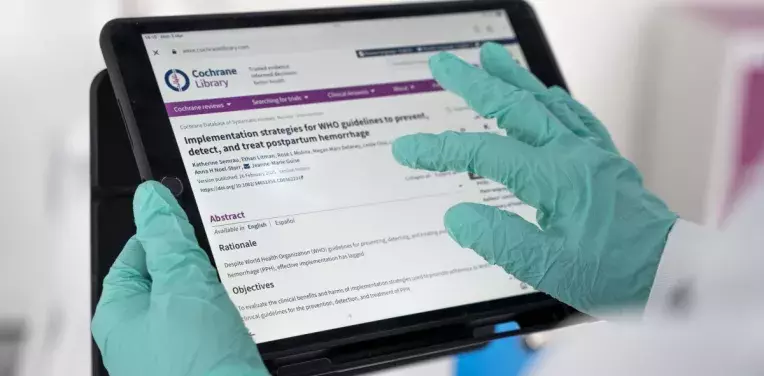
What makes Cochrane unique?
Read about our unique health evidence, how we work and the difference we make.

Need a custom evidence service?
We offer tools, data and custom services to anyone who uses health evidence.

Writing a Cochrane review?
Looking for guidance with writing a review? Interested in becoming a Cochrane author?
I knew Cochrane's systematic reviews would be reliable, free from vested interest, and regularly updated. That was what I needed to escape the confusion, the anecdotes, and the emotion."
Cochrane helps me to help myself, and to help many...The Cochrane Library gives you reliable information, up-to-date information, which makes you a more intelligent and more involved patient."
- Enrich our evidence: become a peer reviewer


