
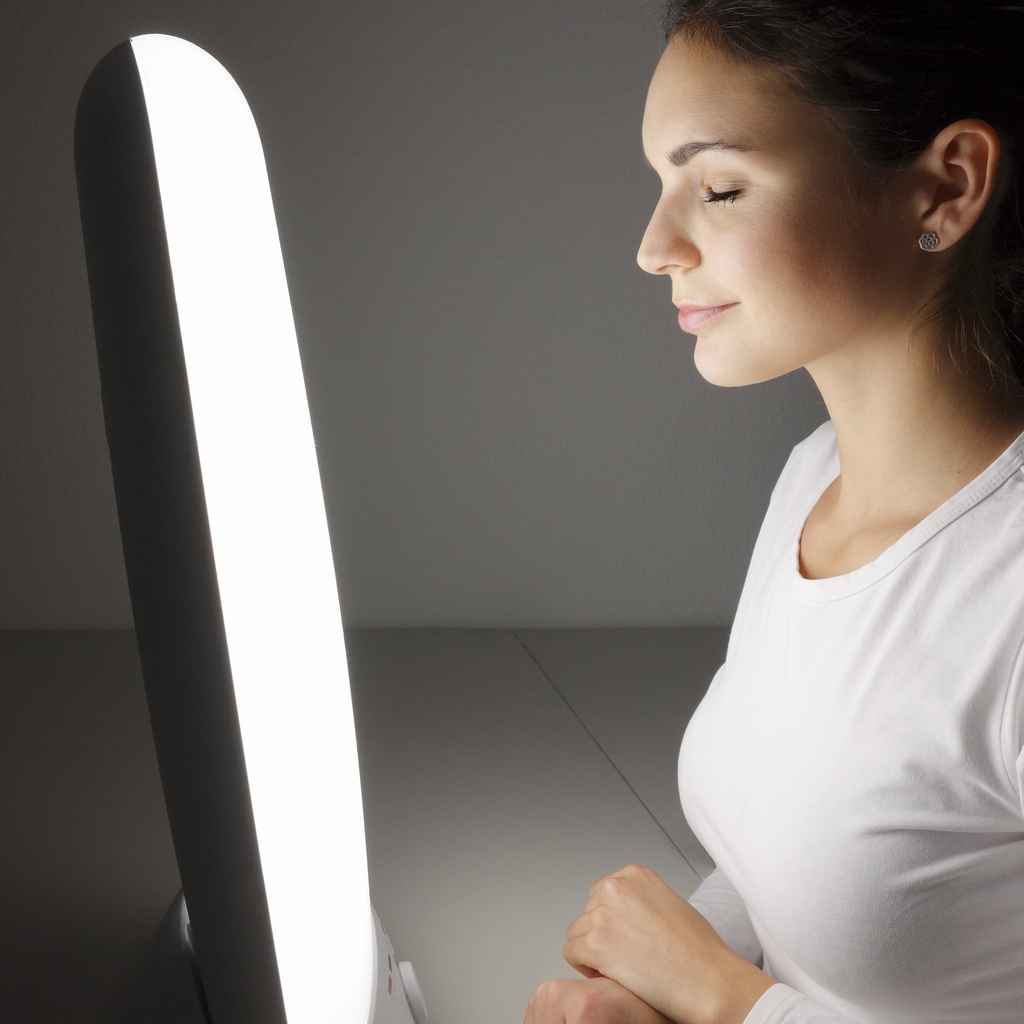
Many people experience the "winter blues", but some suffer from something more serious, seasonal affective disorder, which has a major impact on their quality of life. Light therapy is one of the interventions that is used to try to prevent it and a team of researchers from Austria and the USA published the update of their Cochrane Review in March 2019. Lead author, Barbara Nussbaumer, from the Danube University Krems in Austria, summarises the findings in this podcast.
"Seasonal affective disorder, which is also known as winter depression, is a seasonal pattern of recurrent major depressive episodes. These usually occur during fall or winter and stop in the spring. One especially harmful feature is the high risk of recurrence and persistence, such that two-thirds of those diagnosed with it experience this type of depression every year. However, the predictable seasonal aspect provides promising opportunities for prevention and we are working on a series of four reviews of interventions that might help. The review that will be focussed on for the next few minutes, examines the effects of light therapy, a well-established non-pharmacological intervention used to treat acute episodes of seasonal affective disorder, which exposes people to artificial light. However, very little is known about its use for preventing winter depression.
Modes of delivery and form of light vary, and we wanted to investigate whether any form of light therapy reduces the risk of new depressive episodes in patients with a history of seasonal affective disorder, who were free of symptoms at the start of the preventive treatment. We searched widely for studies comparing light therapy to no treatment, other types of light therapy, or other interventions such as antidepressants or psychological therapy; but, unfortunately, found just one randomized trial that we could use.
This trial was a single-centre study from the Netherlands that included a total of 46 participants from an outpatient clinic. The intervention was implemented at participants’ homes, after they had been randomly assigned to one of three study groups: bright white visor light, pure infrared visor light, and no light exposure. They were instructed to use light therapy 30 minutes a day in the morning except for weekends.
Overall, the two forms of preventive light therapy reduced the incidence of seasonal affective disorder compared with no light therapy and yielded similar rates of depressive episodes to each other. However, the quality of evidence for all outcomes was very low, with high risk of bias due to the lack of blinding, missing information on drop-outs, and other limitations, such as the small sample size.
In summary, evidence on the effectiveness of light therapy for preventing seasonal affective disorder is limited. We’re not able to draw firm conclusions from the one available study and, so any decisions about using, or not using, light therapy in this way should be strongly based on patient preferences until more research becomes available."


