
This is the first Cochrane Review using Risk of Bias (RoB 2) as part of the formal pilot that has published in the Cochrane Library.
Review question
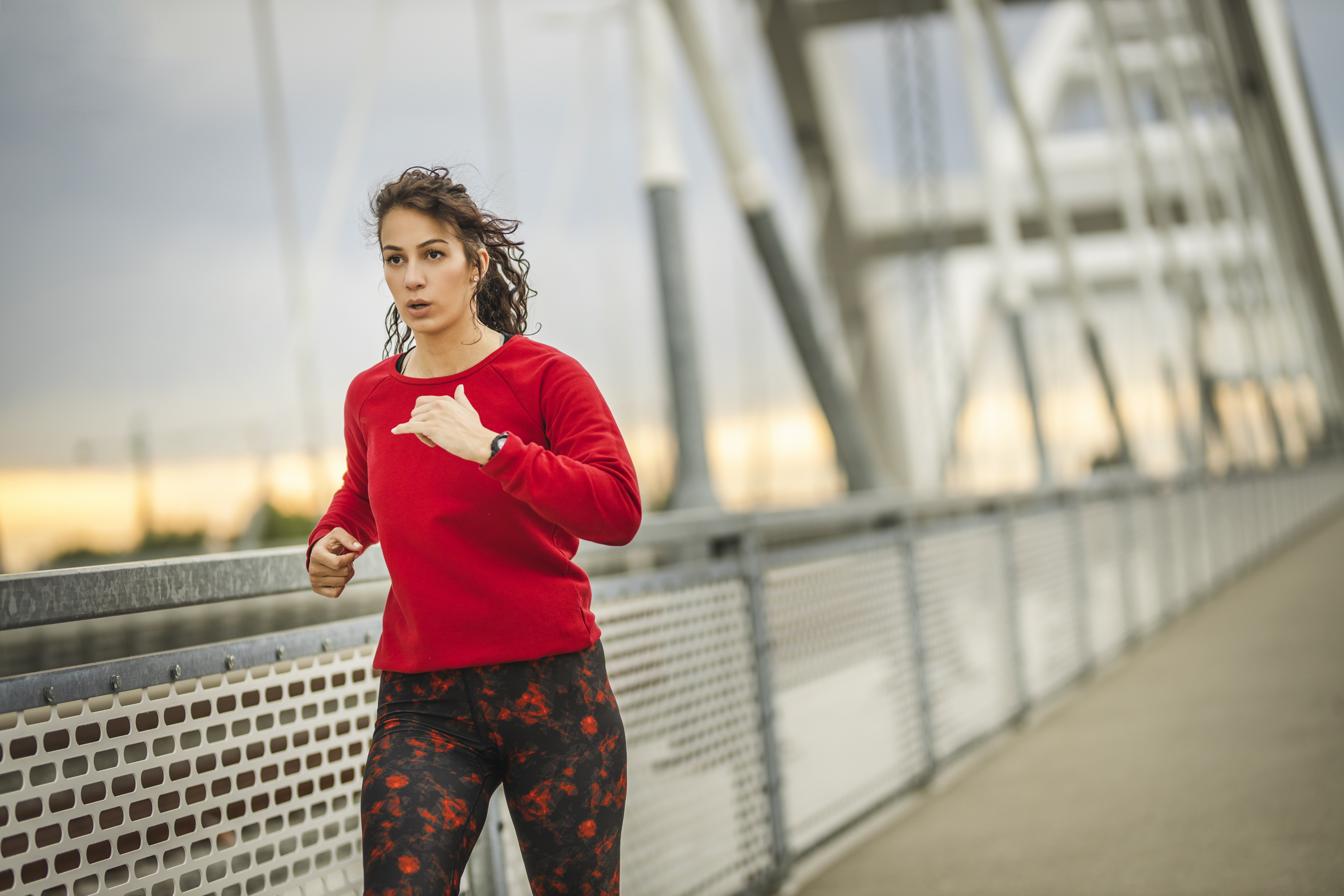
This review aimed to gather evidence for the use of any physical activity intervention for people with congenital heart disease. The authors of this review aimed to compare interventions including exercise training, physical activity promotion or lung training with no intervention (usual care).
Background
Congenital heart disease is the term used for a range of birth defects that affect how the heart works. People with congenital heart disease have reduced life expectancy, physical fitness and quality of life. However, due to better prenatal diagnoses, surgical procedures (often performed in the early years of life) and earlier interventions, the survival rate for those born with this disease has improved dramatically, such that most people will now live into adulthood. Exercise training and physical activity interventions are known to improve fitness, physical activity, survival and quality of life in healthy people, but it is not clear how effective these programmes are for people with long-term medical conditions.
Study characteristics
The review authors searched for studies in September 2019 and identified 15 studies involving 924 participants. The studies used three main types of interventions, including programmes designed to increase physical activity, aerobic fitness and health-related quality of life and compared physical activity intervention and control interventions in people with congenital heart disease.
Key results
The authors included 15 trials with 924 participants. Half of the participants were female. Of the 15 trials, 5 used a total of 500 young people (less than 18 years of age) and 10 trials used a total of 424 adult participants. The review authors found that physical fitness and physical activity may slightly increase but we are very uncertain about quality of life. There is currently no data to say if this small increase in fitness will result in fewer visits to the hospital. But there were no recorded deaths or serious events that were related to participation in physical activity.
Quality of evidence
Using a validated scientific approach (GRADE), the certainty in the evidence base was moderate for fitness, low for physical activity and very low for quality of life. Most outcomes were limited due to small study participant numbers and poor reporting of study details.
- Read the full review on the Cochrane Library
- Read the review in Malay
- Listen to interviews with the authors about this review
- Visit the Cochrane Heart website
- Read an editorial about the use of Risk of Bias 2 on the Cochrane Library
- Status and expectations of implementation of Risk of Bias 2 in Cochrane intervention reviews
- What you need to know about Risk of Bias 2 (RoB 2) in Cochrane


