
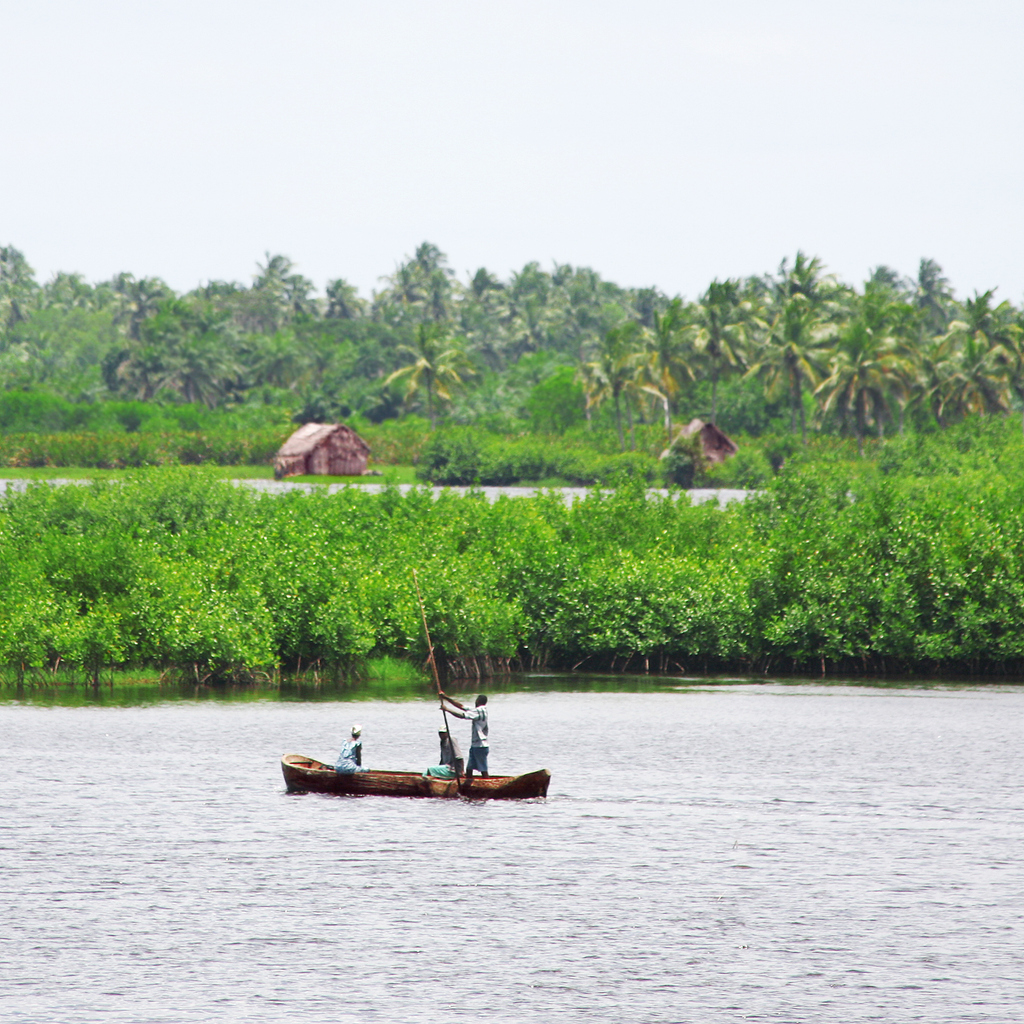
Buruli ulcer is a neglected tropical disease caused by Mycobacterium ulcerans. It predominantly affects children below age 15 in sub‐Saharan Africa and people of any age in Australia. The infection manifests as a skin nodule, oedematous lesion, plaque, or ulcer. Transmission of Buruli ulcer is not entirely understood, with aquatic insects and mosquitoes being linked to disease transmission in some settings. It is clear, however, that disease is caused by the puncturing injury and introduction of the environmental pathogen into the skin and subcutaneous tissues. Whether the bacteria are thriving within a vector before they are transmitted (biological transmission) or merely transported and injected (mechanical transmission) is yet to be elucidated. Another hypothesis is that M ulcerans on the host skin is introduced following an insect bite or minor trauma.
A new Cochrane Infectious Diseases Review by included and discussed five randomized controlled trials and 13 prospective observational studies on drug treatment of Buruli ulcer - the first of its kind to formally assess the available evidence for drug treatment. This Cochrane Library Editorial discusses the latest findings, what we know, and what questions are still left unanswered.


