
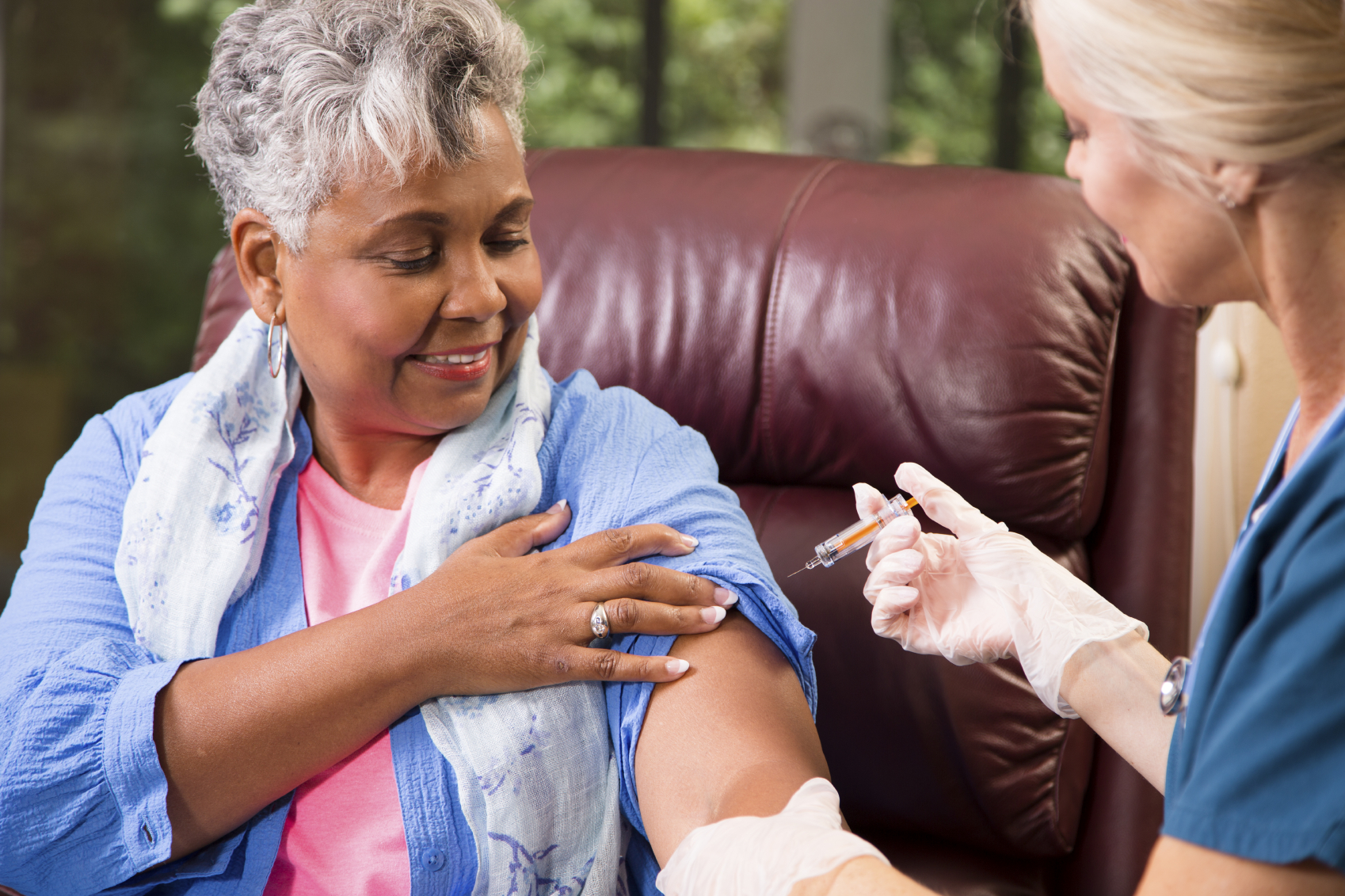
Vaccine helps prevent shingles in older adults for at least three years
The varicella zoster virus causes chickenpox and can remain dormant inside nerve cells. After many years, it can reactivate and travel through the nerve to the skin, causing itching, numbness, tingling or local pain, and then blisters along the nerve path. These blisters are often accompanied with inflammation of the nerves and severe pain, which can affect quality of life. This is called herpes zoster or shingles. As time goes by, the specific immunity against varicella zoster virus decreases making the elderly peculiarly susceptible. There are about 5.22 episodes of shingles for every 1000 older people. This is increasing, in part because people are living longer.
A team of Cochrane authors based in Brazil worked with the Cochrane Acute Respiratory Infections Group to investigate effectiveness and safety of vaccination for preventing shingles in older adults. Their review includes 13 studies, with a total of 69,916 participants. All included studies were conducted in high-income countries and included only healthy elderly Caucasians (> 60 years) without any immunosuppressive problems.
The evidence indicates that the herpes zoster vaccine is effective in preventing shingles, and that this protection can last three years. In general, the vaccine is well tolerated. It produced few adverse events and injection site adverse events of mild to moderate intensity.
“Herpes zoster is more frequent among elderly individuals than in other adults, and its main clinical feature is pain; therefore prevention of this disease is desirable,” said Anna MZ Gagliardi, the lead author of the Cochrane Review. “There is a clear benefit in vaccinating persons 60 year of age and more with the zoster vaccine, as it can reduce the incidence of shingles for at least three years.”
Visit the Cochrane Acute Respiratory Infections website


