
Getting involved in Cochrane’s work means becoming part of a global community.
The Cochrane International Mobility programme connects successful applicants with a placement in a host Cochrane Group, learning more about the production, use, and knowledge translation of Cochrane reviews. The programme offers opportunities for learning and training not only for participants but also for host staff.
In this series, we profile those that have participated in the Cochrane International Mobility Program and learn more about their experiences.
Name: Kristina Shcherbatiuk
Location: Germany
Cochrane International Mobility location: Cochrane Sweden
How did you first learn about Cochrane?
I first learned about Cochrane during medical school and saw Cochrane reviews as a gold standard in evidence-based medicine. After my PhD, I became interested in moving from primary research towards systematic reviews and meta-analysis. Since the focus of Cochrane Sweden aligned closely with my clinical background in maternal and neonatal care, I decided to write to Matteo asking whether I could contribute. He responded very warmly and suggested opportunities to get involved.
What was your experience with Cochrane International Mobility?
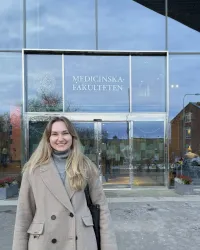
My Cochrane International Mobility experience in Lund was a wonderful combination of learning and applying what I learned. I attended an intensive course on systematic reviews and meta-analysis and joined an international team working on a systematic review of devices for neonatal peripheral catheterization and tip confirmation. We continued working together after Lund and completed the review, which became my first international first-author publication.
What are you doing now in relation to your Cochrane International Mobility experience?
Cochrane International Mobility strengthened my skills in systematic reviews and evidence synthesis, which I have since applied in other areas of my research. My collaboration with Matteo and Cochrane Sweden has continued. We are now exploring methodological questions around the geographical transportability of evidence in perinatal care, in collaboration with Cochrane colleagues from Sweden, Germany and the USA.
Do you have any words of advice to anyone considering a Cochrane International Mobility experience?
I would definitely say: give it a try! I think it is important to find your own motivation, whether you want to explore a particular clinical topic, learn systematic review methodology, or develop your career in research and medicine. CIM is also a wonderful opportunity to meet collaborators and become part of an international research community.


