

These videos, originally part of the Qualitative Evidence Synthesis (QES) & Learning Live webinar series, introduce attendees to one of the longest standing methods for QES, Meta-ethnography. Meta-ethnography was developed in the late 1980s specifically for the purpose of synthesising qualitative research.
Using worked examples, the session covered the purpose and processes associated with the Meta-ethnographic approach to QES, as developed by its original authors Noblit and Hare. Detail was given regarding the types of questions a Meta-ethnography can answer and decision making about when to adopt it as an approach. Finally, the webinar examined the use of the reporting guideline eMERGe, specifically developed for the reporting of Meta-ethnographies.
The webinar was delivered in March 2022 and below you will find the videos from the webinar, together with accompanying slides to download [PDF].
Presenter Bio
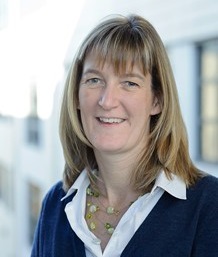
Professor Kate Flemming is a highly experienced academic, internationally known for her leading research and service innovation in palliative care nursing. Since October 2019 she has held a Chair in Hospice practice and Evidence Synthesis in the Department of Health Sciences, University of York. Kate is a co-convenor of the Cochrane Qualitative and Implementation Methods Group and has published over 65 peer-reviewed publications in high-impact journals. Kate’s research programme focuses on complex interventions including patient and carer experience of palliative care across different service models, disease types and morbidities. This work is closely integrated with her methodological expertise in qualitative evidence synthesis.


