我們提供可靠的健康相關證據,讓世界各地的人們做出明智的健康決策。我們努力確保我們的證據能為所有人帶來更好的健康。
1.為最需要的人提供及時、相關的證據
考科藍的主要工作是產出系統性文獻回顧。系統性文獻回顧是一種以標準化方式回顧針對特定健康問題的所有研究資料和結果的方法,目的在於提供一個客觀且清晰的相關證據總覽。系統性文獻回顧是最可靠的健康證據形式,而我們被廣泛認為是系統性文獻回顧領域的領導者。了解更多有關系統性文獻回顧的資訊。
我們撰寫考科藍文獻回顧,是為了讓醫療專業人員、病人以及政策制定者在需要做出預防、治療或管理疾病的決策時,能夠獲得準確且值得信賴的資訊——無論是針對個人健康,還是制定全球健康指引。我們匯集專業研究人員、臨床醫師、健康狀況當事人及其家屬與照護者,共同撰寫涵蓋各種健康主題的文獻回顧,確保我們的研究結果對所有人而言都是相關且實用的。透過我們的科學策略, 我們聚焦於四項主要研究優先事項,以因應最緊迫的健康挑戰。
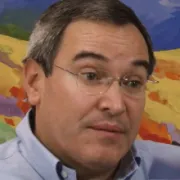
"考科藍從根本上改變了研究應用的格局,搭建起健康決策者–無論是病人、政策制定者還是醫療提供者—與科學知識之間的橋樑。"
Luis Gabriel Cuervo,哥倫比亞。資深顧問,研究推廣與發展組,泛美衛生組織/世界衛生組織。
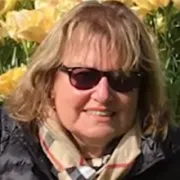
"考科藍幫助我幫助自己,也幫助許多人 ── 特別是罹患乳癌的女性。考科藍圖書館為您提供可靠的資訊、最新的資訊,使您成為更聰明、更投入的病人。"
Sara Yaron,前乳癌病人,以色列
2.我們透過確保每個人都能貢獻並受益於可靠的證據,來拯救和改善生命。
我們為所有具備技能、經驗和願望的人提供免費的資源和支持,幫助我們改善全球健康。我們培訓病人、他們的家人和照顧者,教導他們如何理解並參與我們的文獻、我們支持醫療專業人員和研究者掌握複雜的文獻寫作技能、我們舉辦活動和網絡研討會,讓各類人士參與、支持並獲得最新資訊......等等。
考科藍全球各地的團隊是我們工作的獨特支柱,匯集了各類專業人士,共同產生與各種文化、環境和族群相關的健康研究成果。透過我們的翻譯志工,我們將證據以超過 20 種語言發表,讓數百萬人能夠接觸到我們的研究成果,尤其是那些來自低收入和中等收入國家或無法輕易獲取可靠資訊的人群。我們的所有文獻回顧都包含簡明易懂的摘要,以確保每個人都能理解我們的研究結果。
由於我們嚴格的文獻回顧方法、嚴格的編輯政策、聲譽良好且多元化的文獻回顧團隊以及我們對持續改進的承諾,我們的證據得到了全世界的信賴。詳細了解為什麼我們的證據值得信賴。

"作者從一開始就讓我參與,當時我們需要選擇哪些結果是我們要使用的,以及哪些結果對病人來說是重要的。做實踐意涵部分特別有趣,因為我們了解自己在臨床實踐中是如何被對待的。"
來自荷蘭的 Bernd Arents 因其濕疹經歷而被邀請參加考科藍文獻回顧
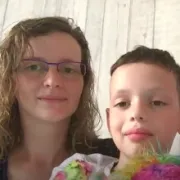
"有一群科學家在幕後默默耕耘,他們確實發揮了作用。知道他不只是接受了治療,還了解為什麼接受這種治療,以及治療的方式,這讓我感到非常安心。這確實讓我非常感激。"
來自英國的 Rebecca Selby 和她的兒子 George,George 早產時根據考科藍的研究結果服用類固醇來增強肺部功能

3.我們在在地與全球層面展開合作,以強化我們的社群並提升影響力。
我們與世界衛生組織(WHO)有正式合作關係,我們的研究成果為其絕大多數的指引提供依據。我們的研究人員與眾多專科醫學與醫療保健協會合作,這使得我們的證據能透過全球臨床醫師遵循的健康指引與政策,傳遞給數以百萬計的人。了解我們工作的影響力。
我們與出版商、研究與教學機構、醫療提供者以及醫療慈善組織建立合作關係,藉此宣傳我們的研究成果,並根據這些成果倡導更優質的照護。我們也致力於保障實證醫學的未來:我們走進當地學校,並為大學提供資源,教導下一代如何運用健康證據。我們為信賴我們可靠證據與專業知識的機構提供工具、數據及客製化評估服務。了解更多關於我們的產品與服務。
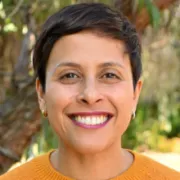
"我們希望支持當地服務機構為自己發聲,現在他們可以根據需要使用這些資訊——無論是顯示在哪些方面可能需要改變,還是證明他們所做的工作是有效的,並且有利於兒童、家庭和社區。他們確實發揮了作用。"
Natalie Strobel 博士,考科藍作者及澳洲艾迪斯科文大學改善原住民和托雷斯海峽島民兒童與家庭健康服務中心的資深研究員。
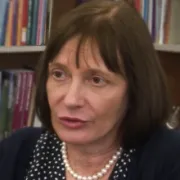
"與考科藍的合作對世界衛生組織至關重要,這也是我們非常重視這項夥伴關係的原因。考科藍是全球綜合、分析和傳播證據的主要機構之一,以便 WHO 可以在指印制定過程中使用這些證據。"
Marie Paule Kieny 博士,世界衛生組織衛生系統和創新部前助理總幹事
Cochrane has fundamentally transformed the landscape of research use by establishing a bridge between health decisionmakers – whether patients, policymakers or health providers - and scientific knowledge.
Luis Gabriel Cuervo, Colombia. Senior Advisor, Research promotion and development, Pan American Health Organization/World Health Organization
Cochrane helps me to help myself, and to help many – especially women with breast cancer. The Cochrane Library gives you reliable information, up-to-date information, which makes you a more intelligent and more involved patient.
Sara Yaron, former breast cancer patient, Israel
2. We save and improve lives by ensuring everyone can contribute to and benefit from trusted evidence
We provide free resources and support to everyone who has the skills, experience and desire to help us improve global health. We train patients, their families and carers in how to understand and contribute to our reviews; we support health professionals and researchers with complex review-writing skills; we run events and webinars to involve, support and update a wide range of people; and much more.
Cochrane groups around the world are the unique backbone of our work, bringing together people with all kinds of expertise to produce health findings that are relevant to a wide variety of cultures, settings and ethnicities. Through our volunteer translators, we publish our evidence in more than 20 languages, unlocking our research for millions, particularly people in low- and middle-income countries or with limited access to reliable information. All our reviews include a plain language summary to ensure everyone can understand our findings.
Our evidence is trusted around the world due to the rigour of our review methods, our strict editorial policies, the renown and variety of our review teams, and our commitment to constant improvement. Find out more about why our evidence is trusted.
The authors involved me from the beginning, when you have to select which outcomes you want to use, which outcomes are important to patients. It was especially interesting to do the implications for practice, because we know how we are treated in clinical practice.
Bernd Arents, The Netherlands, who was invited to take part in a Cochrane Review due to his experiences of eczema
There are scientists working away behind the scenes and they are making a difference, definitely. It makes me feel really good to know, not only that he had the treatment, but why he had the treatment and how he had the treatment. It definitely makes me feel really grateful.
Rebecca Selby, UK, with her son George, who was given steroids to strengthen his lungs as a premature baby on the basis of Cochrane findings
3. We collaborate locally and globally to strengthen our community and enhance impact
We have official relations with the World Health Organization, and our findings inform the vast majority of their guidelines. Our researchers work with many specialist medical and healthcare associations and societies, which means our evidence reaches millions through health guidelines and policies that clinicians all over the world follow. Read about the impact of our work.
We have relationships with publishers, research and teaching institutions, health providers and medical charities to publicize our findings and advocate for better care based on them. We also work to safeguard the future of evidence-based medicine: we go into local schools and provide resources to universities to teach the next generation how to use health evidence. We provide tools, data and custom review services to institutions who trust our sound evidence and expertise. Find out more about our products and services.
We wanted to support local services to advocate for themselves and now they can use this information as they need – either to show where they might need to make changes or to demonstrate that what they're doing is effective and benefits children, families and communities. They are really making a difference.
Dr Natalie Strobel, Cochrane Author and Senior Research Fellow at Edith Cowan University’s Centre for Improving Health Services for Aboriginal and Torres Strait Islander Children and Families, Australia
The collaboration with Cochrane is very important for WHO, and this is why we value this partnership. Cochrane is one of the major institutions, at the global level in particular, to synthesize, analyze, and disseminate evidence so that this evidence can be used by WHO in the guideline process.
Dr Marie Paule Kieny, Former Assistant Director-General, Health Systems and Innovation, World Health Organization