
Grupa Tematyczna Cochrane Maternal, Newborn and Child Health zajmuje się poprawą wyników i promowaniem równości w zakresie zdrowia matek, noworodków i dzieci.

O nas
Co dwie minuty jedna osoba umiera podczas ciąży lub porodu, co daje około 300 000 zgonów rocznie na całym świecie. Dodatkowo, co minutę na całym świecie umiera 11 dzieci poniżej 15. roku życia, a prawie połowa z pięciu milionów dzieci, które umierają przed ukończeniem piątego roku życia, umiera w ciągu pierwszego miesiąca życia. W dużej mierze można zapobiec tym zgonom, co podkreśla ogromne nierówności społeczne.
Grupa Tematyczna Maternal, Newborn and Child Health pełni rolę centralnego ośrodka zajmującego się innowacjami, badaniami, praktyką kliniczną opartą na dowodach naukowych oraz polityką zdrowotną, społecznością i wpływem globalnym. Jesteśmy wielodyscyplinarną grupą zaangażowaną w rozwiązywanie pilnych problemów zdrowotnych na świecie poprzez ukierunkowane i skoordynowane działania. Poprzez ukierunkowanie działań na skuteczne interwencje, współpracę i innowacje, dążymy do generowania praktycznych wniosków i dowodów, które będą stanowić podstawę dla praktyk i polityk w zakresie opieki zdrowotnej, ratujących ludzkie życie.
Nasz zespół
Grupa tematyczna ds. zdrowia matek, noworodków i dzieci skupia specjalistów z różnych dziedzin oraz ekspertów technicznych w ramach opartej na współpracy struktury typu hub, której celem jest wspieranie tworzenia wysokiej jakości, wiarygodnych danych naukowych. Nasze centra tematyczne (Matki, noworodki i dzieci) oraz techniczne (Kierowanie i koordynacja, Metody i szkolenia, Wsparcie dla autorów, Zaangażowanie społeczności oraz Pacjenci, rodziny, opiekunowie i opinia publiczna) są kierowane przez kilku kierowników, którzy zapewniają przywództwo i ustalają priorytety w swoich obszarach. Kierownicy współpracują ze sobą w ramach wspólnego zarządzania i koordynacji, korzystając ze wsparcia mentorów, kierowników programów, zastępców kierowników, grup roboczych oraz rad doradczych. Jeśli chcesz zaangażować się w działalność jednego z naszych ośrodków, skontaktuj się z nami!
Kierownicy poszczególnych ośrodków to (w porządku alfabetycznym):
Centra tematyczne
Matka
Emily Shepherd (Australia)
Lucian Puscasiu (Rumunia)
Pisake Lumbiganon (Tajlandia)
Zohra Lassi (Australia, Pakistan)
Współzarządzający:
Jen Sothornwit (Tajlandia)
Noworodek
Greta Sibrecht (Polska)
Matteo Bruschettini (Szwecja, Włochy)
Nai Ming Lai (Malezja)
Dziecko
Giordano Perez-Gaxiola (Meksyk)
Jai Das (Pakistan)
Moriam Chibuzor (Nigeria)
Thu Giang Le Thi (Niemcy, Wietnam)
Współzarządzający:
May Loong Tan (Malezja)
Centra techniczne
Kierowanie i koordynacja
Aamer Imdad (USA, Pakistan)
David Haas (USA)
Emma Sinervo (Szwecja, Kanada)
Jeanne-Marie Guise (USA)
Wsparcie programowe:
April McMillan (USA)
Lauren Thomann (USA)
Metody i szkolenia
Anna-Lene Seidler (Niemcy)
Shayesteh Jahanfar (USA)
Współzarządzający:
James Sotiropoulos (Australia)
Wsparcie dla autorów
Jane Cracknell (Wielka Brytania)
Michelle Fiander (Kanada)
Zaangażowanie społeczności
Tiffany Duque (USA)
Pacjenci, rodziny, opiekunowie i społeczeństwo
Danielle Pollock (Australia)
Ndi Euphrasia Atuh (Kamerun)
Nasze plany
Grupa Tematyczna Maternal, Newborn and Child Health stanowi globalny zespół ekspertów klinicznych, naukowców i innych osób interesujących się wielostronnym zaangażowaniem w syntezę danych naukowych i wynikającym z tego wpływem. Nasze instytucje i liderzy mają silne i długotrwałe relacje z decydentami i fundatorami, którzy mogą przyczynić się do długoterminowego zrównoważonego rozwoju i rozpowszechniania pracy grupy.
Wśród tych podmiotów znajdują się między innymi Światowa Organizacja Zdrowia, Gates Foundation, National Institutes of Health, Agency for Healthcare Research and Quality, Health Resources and Services Administration oraz Office of Research on Women's Health. Będziemy współpracować z centralnym zespołem Cochrane w celu opracowania przypadków wsparcia dostosowanych do zainteresowań międzynarodowych interesariuszy i fundatorów, aby dalej rozwijać nasze wspólne działania i zapewnić stabilność finansową.
Grupa Tematyczna Maternal, Newborn and Child Health uznaje i popiera strategiczną decyzję Cochrane o nawiązaniu współpracy z krajami o niskim i średnim dochodzie w celu zapewnienia rozwoju trwałych sieci badawczych w tych obszarach, co pozwoli naszym danym naukowym dotrzeć do osób, które najbardziej ich potrzebują, a także wzmocnić ich pozycję.
Jedną z kluczowych zalet naszego zespołu kierowniczego jest długotrwała, ścisła współpraca z instytucjami i organizacjami, które reprezentujemy.
Będziemy wspierać zespoły autorów na wiele sposobów:
- Szkolenia: Mamy długą i bogatą historię wspierania szkoleń autorów Cochrane dla dużych, międzynarodowych grup nowych autorów i stażystów. Będziemy kontynuować tę działalność i rozszerzać jej zasięg globalny poprzez wirtualne kursy oraz program Cochrane International Mobility.
- Konsultacje merytoryczne i metodologiczne: Dzięki naszej różnorodnej wiedzy specjalistycznej możemy zapewnić grupom autorów pomoc doradczą na wszystkich etapach przeglądu, w tym konsultacje dotyczące kluczowych strategii rozpowszechniania i kontaktów.
- Członkowie zespołu autorskiego: Biorąc pod uwagę liczbę naszych współpracowników i stażystów, możemy zapewnić nowym lub niedoborowym zespołom autorskim dodatkowych członków, aby zwiększyć wydajność i skrócić czas realizacji przeglądów.
- Recenzenci: Dzięki naszej rozległej globalnej sieci w ramach Maternal, Newborn and Child Health, obejmującej zarówno członków z doświadczeniem redakcyjnym, jak i tych z doświadczeniem w pracy z pacjentami/społeczeństwem, możemy wspierać Cochrane's Central Editorial Service w wyszukiwaniu recenzentów do przeglądów, co pomoże w terminowym przeprowadzaniu procesu recenzji.
Planujemy to osiągnąć poprzez regularną komunikację z naszą strategiczną radą doradczą. Nasz niewielki zespół administracyjny będzie miał kluczowe kontakty w różnych obszarach tematycznych, co ułatwi skuteczną komunikację za pośrednictwem członków strategicznej rady doradczej.
Nowości
Rozpoczynamy nasz nowy cykl Maternal, Newborn and Child Health Grand Rounds — powtarzającą się serię spotkań zaprojektowaną, aby zjednoczyć naszą globalną społeczność wokół priorytetowych tematów wybranych przez naszą społeczność
Nasze pierwsze spotkanie z cyklu Grand Rounds, zorganizowane z okazji Międzynarodowego Dnia Kobiet i Dziewcząt w Nauce, będzie poświęcone roli kobiet w przywództwie oraz znaczeniu ciekawości i globalnej współpracy w kształtowaniu przyszłości badań naukowych. Dołącz do nas 11 lutego o godz. 13:30 czasu GMT. Jeśli chcesz wziąć udział, zarejestruj się tutaj.
Kontakt
Aby uzyskać więcej informacji na temat naszej działalności lub zaangażować się w prace Grupy Tematycznej Cochrane Maternal, Newborn and Child Health, prosimy o Napisz do nas
Chcemy stworzyć zróżnicowaną koalicję liderów i ekspertów. Jeśli jesteś zainteresowany współpracą z nami, opowiedz nam więcej o swoich umiejętnościach i zainteresowaniach.
Thematic hubs
Maternal
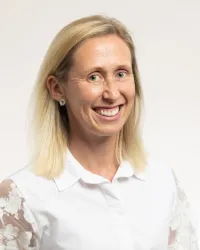
Emily Shepherd (Australia)
Emily Shepherd (PhD) is an Australian National Health and Medical Research Council Emerging Leadership Fellow at the South Australian Health and Medical Research Institute and an Affiliate Senior Lecturer at the University of Adelaide (Australia). She previously coordinated the Australasian Satellite of Cochrane Pregnancy and Childbirth and is a Sign-Off Editor for the Cochrane Database of Systematic Reviews. Emily specializes in high-quality evidence synthesis and translation to improve global perinatal outcomes, with a focus on preterm birth and neurodevelopment, including antenatal magnesium sulphate for cerebral palsy prevention.

Lucian Puscasiu (Romania)
Lucian Puscasiu is a Professor of Obstetrics and Gynecology at the University of Medicine, Pharmacy, Science and Technology Targu Mures, Romania. He is also the Director of the PhD School of Medicine at the same University. In addition, he serves as Honorary Director and founder of Cochrane Romania Center. His interests include reproductive health, evidence based translation into guidelines and evidence synthesis.

Pisake Lumbiganon (Thailand)
Pisake Lumbiganon is a Professor of Obstetrics and Gynaecology at the Khon Kaen University, Thailand. His research interests include maternal and newborn health, epidemiology in obstetrics and gynaecology, clinical research methodologies, and quality of care in maternal health services. He has contributed to the World Health Organization multi-country survey on maternal and newborn health and has published extensively on maternal and perinatal health, including severe maternal outcomes and indirect causes of maternal morbidity. His work focuses on addressing gaps in maternal and newborn care, particularly in low- and middle-income countries.
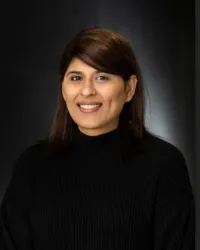
Zohra Lassi (Australia, Pakistan)
Zohra Lassi is an Associate Professor and internationally recognized public health researcher focused on maternal, newborn, and adolescent health within the RMNCAH Continuum of Care. Her work centres on evidence synthesis, implementation research, and health equity, particularly in low- and middle-income and disadvantaged settings, with over 300 peer-reviewed publications informing World Health Organization guidelines and global policy frameworks. She has extensive experience in systematic reviews, evidence gap maps, and guideline development, and integrates community voices into evidence and decision-making. She leads international collaborations and capacity strengthening to improve maternal health evidence globally.

Associate lead(s): Jen Sothornwit (Thailand)
Jen Sothornwit is an Associate Professor in the Department of Obstetrics and Gynecology, Faculty of Medicine, Khon Kaen University, Thailand. He is a gynecologist with a research focus on sexual and reproductive health and rights, particularly in family planning, maternal health, and evidence synthesis. His work includes leading systematic reviews, primary research, and capacity strengthening initiatives to support evidence-informed practice and policy in the region.
Newborn

Greta Sibrecht (Poland)
Greta Sibrecht is a neonatologist at the II Department of Neonatology at Poznan University of Medical Sciences, Poland, with a PhD on heart rate monitoring, including heart rate variability and asymmetry. Her academic interests include evidence synthesis and systematic reviews in collaboration with Cochrane Sweden and Cochrane Neonatal. She currently serves as Chair of the Early Career Investigators Section of the European Society for Paediatric Research and as a tutor at the European School of Neonatology.

Matteo Bruschettini (Sweden, Italy)
Matteo Bruschettini, MD, PhD, is Director of Cochrane Sweden, and Associate Professor of Pediatrics at Lund University, Sweden. A specialist in neonatology, he obtained his PhD in the Netherlands in 2007 and has worked in Sweden since 2015. Matteo is co-coordinator of the Nordic GRADE Network and has contributed to the Cochrane Collaboration since 2011. He has authored more than 200 scientific papers, including over 50 Cochrane reviews. His work has supported the World Health Organization and is guiding Sweden’s first national guidelines using the GRADE approach.

Nai Ming Lai (Malaysia)
Lai Nai Ming is Professor of Paediatrics and Director of Clinical Campus at Taylor’s University, Malaysia, and trained as a paediatrician and neonatologist. He has been a Cochrane author since 2004 and trainer since 2006, serving in multiple editorial and leadership roles including Senior Editor of Cochrane Central Editorial Services and Associate Editor of Cochrane Neonatal. He has also trained and mentored systematic review authors across multiple countries in Asia and in Australia.
Child

Giordano Perez-Gaxiola (Mexico)
Giordano Perez-Gaxiola is a practising pediatrician and researcher at Sinaloa’s Pediatric Hospital in Mexico, with an interest in children’s infectious diseases, vaccines, and health literacy. He leads the Cochrane Associated Centre at Sinaloa’s Pediatric Hospital and has been involved in Cochrane for more than 15 years in multiple roles including author, trainer, director of Cochrane Mexico, and member of its communications and geographic groups. He is a professor in pediatrics and evidence-based medicine at the Autonomous University of Sinaloa, Mexico, promoting systematic reviews and Cochrane.
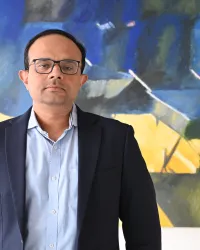
Jai Das (Pakistan)
Dr Jai Das works as an Associate Director at the Institute for Global Health and Development and Associate Professor for the Division of Women and Child Health at the Aga Khan University, Karachi. He is a medical doctor trained in pediatric surgery and has a PhD in population and public health. He has extensive experience in maternal and child health research, evidence-based systematic reviews, and public health. He has authored more than 250 peer-reviewed papers and received multiple international recognitions for his research impact. His interests include evidence use in policy and programs, research capacity development, and the impact of climate change on health.

Moriam Chibuzor (Nigeria)
Moriam Chibuzor is a Senior Research Officer at Cochrane Nigeria, Institute of Tropical Diseases Research and Prevention, University of Calabar Teaching Hospital. She works in evidence synthesis, information retrieval, and knowledge translation, supporting clinical practice guideline development and policy briefs in Nigeria. She has contributed to the Global Evidence, Local Adaptation Project and has authored Cochrane and non-Cochrane systematic reviews that informed WHO guidelines. She is also a trainer within the Cochrane Trainers’ Network, building capacity among clinicians, consumers, and media practitioners.

Thu Giang Le Thi (Germany, Vietnam)
Thu Giang Le Thi is Lead of the Research Unit at the Child Health Foundation in collaboration with LMU University Hospital Munich, Germany. She is a researcher with a multidisciplinary background in public health, epidemiology, biostatistics, and health economics. She has been trained by Cochrane Sweden, Cochrane Ireland, and Cochrane Germany. Her work includes paediatric research studies, systematic reviews, evidence synthesis, and developing evidence-informed instruments to promote healthy food environments for children and adolescents.

Associate lead(s): May Loong Tan (Malaysia)
May Loong Tan is an Associate Professor in the Department of Paediatrics at the Royal College of Surgeons in Ireland & University College Dublin Malaysia Campus. She is the Director of Cochrane Malaysia and a Cochrane trainer involved in promoting evidence-based healthcare through training, research synthesis, and dissemination. Her research interests focus on breastfeeding practices and advocacy, with experience in systematic reviews and evidence synthesis, and she is currently pursuing a PhD on developing indicators of a breastfeeding friendly community.
Technical hubs
Steering & coordination

Aamer Imdad (US, Pakistan)
Aamer Imdad is a pediatric gastroenterologist and clinician–scientist at the University of Iowa Stead Family Children’s Hospital, USA, and an Assistant Professor of Pediatrics and Associate Fellowship Director in Pediatric Gastroenterology. His work focuses on improving maternal, newborn, and child health outcomes through evidence synthesis, clinical research, and guideline development, with collaborations involving the World Health Organization and Cochrane. He has authored over 90 peer-reviewed publications, including reviews that informed global health policy and clinical practice. His interests include infant nutrition, neonatal feeding practices, GRADE methodology, evidence-based medicine, and strengthening the translation of research into practice.

David Haas (US)
David A. Haas is Vice-Chair for Research in the Department of Obstetrics and Gynecology at Indiana University School of Medicine, USA. He has been involved with Cochrane since 2002, starting as a Contact Editor for the Pregnancy and Childbirth Group and later serving as Co-Director of the US Satellite. He collaborates with Jeanne-Marie Guise on Cochrane’s Maternal, Newborn and Child Health Thematic Group, helping to convene, organize, and prioritize activities in maternal, newborn and child health. His work focuses on producing and disseminating maternal and newborn health evidence to inform global practice and policy.

Emma Sinervo (Sweden, Canada)
Emma Sinervo (MD, PHD) is a researcher at the Department of Women’s and Children’s Health at Karolinska Institutet, Sweden, alongside her role as a medical specialist within Sexual and Reproductive Health and Region Stockholm. She is an elected member of the Cochrane Governing Board and previously named one of Cochrane’s top 30 under 30. Emma has worked for and collaborated with the World Health Organization on guideline development, implementation research, and international clinical trials, including large neonatal and maternal health studies. She strongly supports international collaboration within the research community.
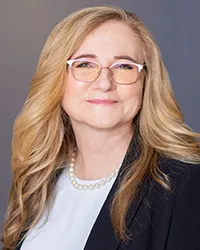
Jeanne-Marie Guise (US)
Jeanne-Marie Guise, MD, MPH, MBA, is Director of the Center for Learning Health Care Delivery at Beth Israel Deaconess Medical Center and Harvard Medical School faculty (USA). She is Co‑Chair of the US Cochrane Network and co-leads the Cochrane Maternal, Newborn, and Child Thematic Group. Her work focuses on patient safety, teamwork in healthcare, clinical informatics, and learning health systems, particularly in obstetric and pediatric care. She has contributed to systematic evidence reviews and evidence synthesis methods for over two decades, informing the conduct of evidence reviews, health policy, and clinical practice in the United States and globally.

Tessy Boedt (Belgium)
Tessy Boedt is a physiotherapist and nutritional scientist, specialized in pre- and postnatal guidance, and currently completing a PhD on preconception care and lifestyle at KU Leuven, Belgium. She is focused on research and education on health before, during, and after pregnancy and has developed and teaches sports classes and workshops for (expectant) mothers at Mama Moves Mechelen / Health in Progress.

Associate lead(s): Yasmine Ahmed Asaad (Egypt)
Yasmine is a primary care physician and Teaching Assistant at the Department of Public Health, Faculty of Medicine, Zagazig University, Egypt. She is a Cochrane US Year 4 mentee and contributes to Cochrane reviews that inform World Health Organization guidelines.

Programmatic support: April Mcmillan (US)
April serves as an Executive Assistant at Beth Israel Deaconess Medical Center, USA, providing administrative leadership in support of the work with Cochrane. She coordinates complex international meetings, manages communications across global research teams, and oversees the operational details that keep evidence synthesis projects running smoothly.

Programmatic support: Sarah Fischbach (US)
Sarah R. Fischbach, MPH, is passionate about public health and reducing healthcare disparities. She currently serves as Program Manager (OBGYN Research) at Beth Israel Deaconess Medical Center, USA, bringing experience in clinical and academic research management. Her masters research focused on family eating patterns, food deserts, and food inequality affecting children and families.
Methods & training

Anna-Lene Seidler (Germany)
Anna-Lene Seidler is a Senior Research Fellow at the CTC Evidence Integration team, working as a biostatistician since 2017. She specializes in next generation systematic review methodology, including prospectively planned, network and individual participant data meta-analysis, and contributes to clinical trial registration research through the Australian New Zealand Clinical Trials Registry. She is a member of the Cochrane Prospective Meta-Analysis methods group and leads international collaborations such as iCOMP and TOPCHILD. Her work focuses on providing statistical support for research and advancing evidence synthesis in maternal and child health.
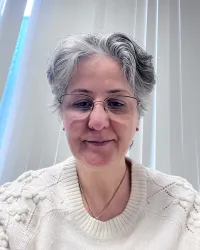
Shayesteh Jahanfar (US)
Shayesteh Jahanfar is a Professor at Tufts School of Medicine, USA, and a reproductive epidemiologist with training in epidemiology, public health, and biostatistics. Her research focuses on reproductive and maternal–child health, global health, HIV/AIDS, opioid use, and twin studies. She serves as Director of the Cochrane Affiliate at Tufts University within the Cochrane US Network and as co-lead for Training and Methods for the Maternal, Neonatal and Child Health Thematic Group. She has published over 50 systematic reviews, including Cochrane reviews, and over 300 publications and 13 textbooks.
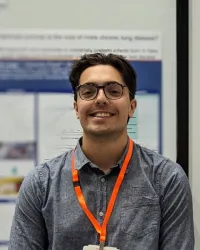
Associate lead(s): James Sotiropoulos (Australia)
James Sotiropoulos is a paediatric trainee at the Royal Children’s Hospital Melbourne, and PhD candidate at NHMRC Clinical Trials Centre, University of Sydney, working on a series of projects related to oxygen use during preterm neonatal resuscitation.
Author support

Jane Cracknell (UK)
Jane is co-managing editor of Cochrane Neonatal (6 years), after having been a managing editor for Cochrane Anaesthesia and Cochrane Critical Care for 18 years. She brings a wealth of experience and specialist education within methodology and evidence-based health care from Oxford University and is an author of six published Cochrane reviews.

Michelle Fiander (Canada)
Michelle is the primary Managing Editor and Information Specialist at Cochrane Neonatal. She is a trained Information Specialist with over 20 years years of experience in evidence synthesis. She was the Information Specialist for the Cochrane Effective Practice and Organization of Care Group for 8 years and has experience in academia, with guideline development groups, and organizations undertaking evidence synthesis to inform device or drug approvals. She has contributed searches for the Canadian Guidelines for Post COVID Conditions project led by Cochrane Canada, MacGRADE Centre, and McMaster University (Canada); and for the Prehabilitation and Cancer Treatment project by MacMillan Cancer Support.
Community engagement

Tiffany Duque (US)
Tiffany brings more than 20 years of experience in global nutrition, community interventions, and maternal and child health, with leadership spanning academic, government, professional society, and non-governmental organization sectors. She has led high-impact research and programs across diverse cultural and multidisciplinary settings, with deep expertise in evidence-based public health, implementation strategies, capacity building, and mentoring.
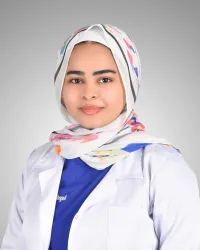
Associate lead(s): Shahd Abdalla (Sudan)
Shahd Abdalla is a medical doctor from Sudan with an interest in evidence-based medicine and health equity. She participated in the Cochrane US Health Equity Mentoring Program Year 4 as a mentee. Her work is centered on maternal, newborn, and child health and has engagement in evidence synthesis work and improving the reach and use of evidence.
Patients, families, caregivers & public

Danielle Pollock (Australia)
Danielle is a lived experience stillbirth researcher and methodologist in evidence synthesis based in Adelaide, Australia. She completed a PhD on stillbirth stigma, identifying that over half of bereaved mothers faced stigmatizing attitudes and highlighting bereaved parents as advocates for changing attitudes towards stillbirth among clinicians, researchers, and government organizations. She is a research fellow in evidence-based healthcare and continues patient advocacy.

Ndi Euphrasia Atuh (Cameroon)
Euphrasia Ebai-Atuh Ndi is a resource mobilizer passionate about putting evidence at the centre of citizens' everyday life. She is a trained secondary school teacher, PhD holder in accounting, primary school proprietor and a mother of five beautiful children. Euphrasia joined Cochrane in 2017 and became a member of Cochrane Patient and Public Network, Executive in 2021. She has been engaged in several evidence production, dissemination and implementation PPI initiatives across Cochrane groups and other local and international organizations. As a mother, Euphrasia is passionate about empowering fellow mothers and women with the necessary skills to co-produce, disseminate and use evidence.
Our plans
The Maternal, Newborn and Child Health Thematic Group represents a global team of clinical experts, researchers, and others who are interested in multi-interest-holder engagement in evidence synthesis and the resulting impact. Our institutions and leaders have strong and long-lasting relationships with policy-makers and funders who have the promise to contribute to and benefit long-term sustainability and dissemination of the group’s work.
These relationships include the World Health Organization, the Gates Foundation, National Institutes of Health, Agency for Healthcare Research and Quality, Health Resources and Services Administration and Office of Research on Women’s Health, amongst others. We will work with the Cochrane central team to develop cases of support specific to the interests of international stakeholders and funders to further develop our collaborative efforts and ensure financial sustainability.
The Maternal, Newborn and Child Health Thematic Group acknowledges and supports Cochrane’s strategic decision to engage with low- and middle-income countries to ensure that sustainable research networks are developed in these areas, enabling our evidence to reach and empower those who need it most.
One of the key strengths of our leadership team are the long-standing, strong collaborations within the institutions and organizations that we represent.
We will support author teams in multiple ways:
- Training: We have a long and successful track record of supporting Cochrane author training for large, international groups of new authors and trainees. We will continue this and have a global reach through the virtual courses and through the Cochrane International Mobility programme.
- Content and methodological consultations: Through our diverse expertise, we can provide author groups with consultative assistance during all phases of a review, including advising on key dissemination strategies and contacts.
- Author team members: Given our breadth of colleagues and trainees, we can provide new or understaffed author teams with additional members to aid the efficiency and turnaround time for reviews.
- Peer reviewers: Given our vast global network within Maternal, Newborn and Child Health, including members with editorial experience and those with patient/public experience, we can support Cochrane's Central Editorial Service in identifying peer reviewers for reviews, which will aid in the timeliness of the peer review process.
We plan to accomplish these through regular communication with our strategic advisory board. Our lean administrative team will have key contacts in different focus areas to facilitate this communication efficiently through the strategic advisory board members.
News
Launch of New Cochrane MNCH LinkedIn page
The Cochrane Maternal, Newborn and Child Health Thematic Group has established a dedicated LinkedIn page to support communication and engagement activities across the maternal, newborn and child health community.
Cochrane MNCH at WHO HRP Committee
The Cochrane Maternal, Newborn and Child Health Thematic Group was represented at the 39th WHO Human Reproduction Programme Policy and Coordination Committee on 24–25 March 2026. Discussions focused on future priorities for the World Health Organization’s (WHO) sexual and reproductive health and rights agenda, ensuring alignment with global evidence needs.
The discussion highlighted key priorities for advancing evidence-based approaches in SRHR and strengthening collaboration among global partners, while also providing an opportunity to share Cochrane MNCH’s work and to help shape priorities for evidence synthesis in this area.
Cochrane MNCH at FIGO World Congress
At the FIGO World Congress of Gynaecology and Obstetrics in South Africa in October 2025, co-leads of the Steering and Coordination Hub for the Cochrane Maternal, Newborn and Child Health Thematic Group led a panellist-driven session entitled, “Cochrane’s impact within maternal, newborn, and child health: past, present, and future.”
The session outlined the steps of the evidence pipeline from evidence production to guideline development and implementation.
Share your Input: education & training
Following feedback at our FIGO session, we are developing new training resources on how to read and interpret medical reviews.
We invite you to complete a short survey to help shape MNCH learning priorities.
Newsletters
Our newsletters provide updates on Cochrane MNCH publications and activities. Subscribe to receive future issues.
Latest issue: 3 April 2026 [PDF]
Past issues: 7 January 2026 [PDF], 19 September 2025 [PDF]
Contact us
For more information about our work or to get involved with the Cochrane Maternal, Newborn and Child Health Thematic Group, please email us.
We are keen to build a diverse coalition of leaders and experts. If you are interested in staying up to date about calls for authorship and contributing to our work, please tell us more about your skills and interests here. If you are an experienced Cochrane member and would like to support our work as a mentor/senior author on our reviews, please fill in the form here.
Follow our LinkedIn page to stay connected with the Cochrane maternal, newborn and child health community and the latest updates from the group.


